

It’s Not Goodbye, It’s See You Later
Reading Time: 2 minutes
 After nearly two years, Friday June 28, 2013 was my last official day at West Wind Education Policy Inc. On July 1, I started my new position as Associate Principal at Washington High School in Cedar Rapids, Iowa. Although I’m thrilled to start this new chapter of my life, it is bittersweet.
On Sunday afternoon, I spent time in my office for the last time. I packed my belongings, taking my graduation plaque down from the wall. I can honestly say that I’m not sure I would have graduated had I not found a home at West Wind. Continue reading “It’s Not Goodbye, It’s See You Later”
 Last weekend I was reminded of the care and caution needed with raising young Black men.
 This year, my youngest son was admitted into the district Extended Learning Program (ELP), a program for students identified as gifted and talented. Almost immediately upon hearing the news, he remarked, “Wow…I’m the smartest Nyberg, besides you and Dad, of course.” Ever since then, I’ve wondered about the messages we send students in some cases as early as second grade about talent and what it means for those who are not deemed “talented” what that may imply?
  Everybody can be great, because anybody can serve.
 As I drove into work this morning, I realized that in a foreseeable amount of time (one month from now), a long-term goal that has been one of the biggest challenges I ever set out to achieve will culminate: I will defend my dissertation and have earned my PhD. Though it’s easy to pat myself on the back for realizing a long-held dream, I think it’s important to acknowledge that I didn’t get here alone.
  In my second year as a doctoral student, I worked with a professor who was finishing his first book. Among my many tasks was to help him write footnotes for his first chapter. This is how I was introduced to Rosina Lippi-Green’s English with an Accent: Language, Ideology and Discrimination in the United States (1997). Although a bit dated, many of the points she makes are still salient as we consider creating and implementing effective policies to assist English Language Learners (ELLs).
 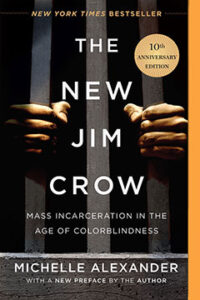 Thank you, Deborah Meier, for being able and willing to reveal your own racism! As Meier tells Diane Ravitch in the